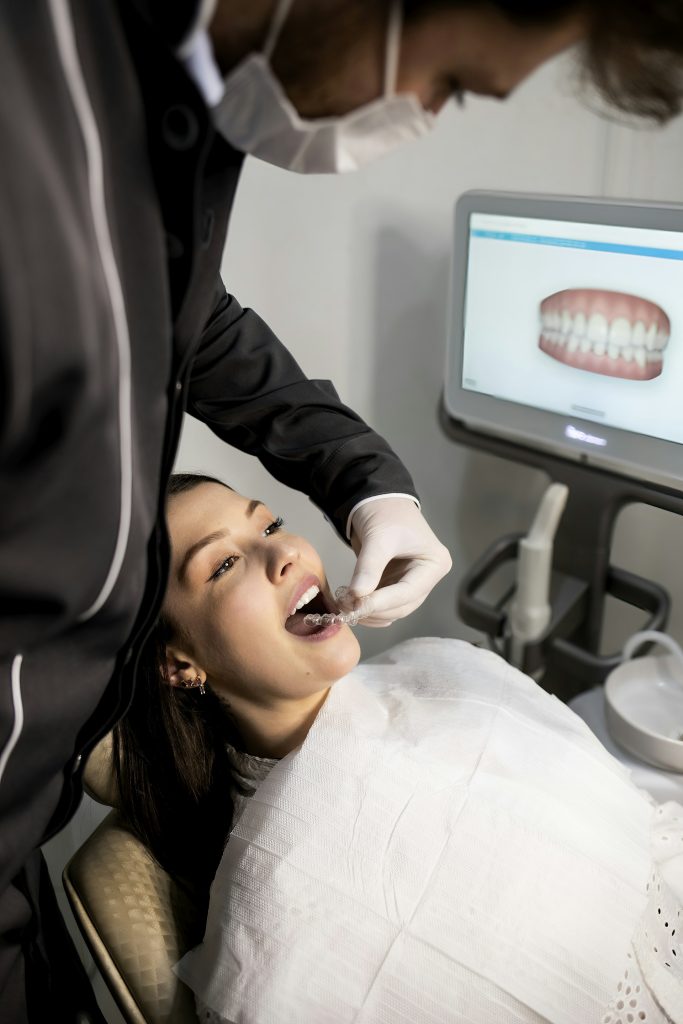
If you are planning dental work in Mexico, the worry usually is not the trip itself. It is what happens after: will your hometown dentist still see you, and will they know what was done? The honest answer is that most US dentists will keep caring for you, as long as you come home with complete records. The patients who run into trouble are almost always the ones who come back with nothing but new teeth and a receipt.
This guide covers what to get from your US dentist before you go, what to bring home from Mexico, and how to talk to your dentist so the handoff is smooth on both ends.
Will your US dentist still treat you?
In most cases, yes. Dentists see patients with work from other offices every day: people who moved, changed insurance, or had a crown placed on vacation. What makes a dentist hesitant is not where the work happened. It is not knowing what is in your mouth.
If you show up with an implant and no idea of the brand or size, your dentist cannot order matching parts, cannot judge whether a problem is the implant or the crown, and may reasonably decline to take responsibility for it. If you show up with a treatment summary, before and after x-rays, and the implant component details, you look like any other patient with a documented history.
A few dentists do have a blanket policy against servicing work done abroad. That is rare, and it is better to find out before your trip than after. A simple call to the front desk (“If I have implants placed in Mexico and bring full records, would Dr. X do my cleanings and checkups?”) answers it.
Before you go: what to get from your US dentist
Under HIPAA, you have a legal right to copies of your dental records, including x-rays. Practices generally have up to 30 days to respond and may charge a reasonable, cost-based fee for copies. Ask for digital files, not printouts, so the Mexican clinic can use them directly.
| Record | Why it matters | Format to ask for |
|---|---|---|
| Recent x-rays (full mouth series or panoramic) | Lets the Mexican clinic start planning and give a more accurate quote before you fly | Digital image files (JPEG or DICOM) |
| 3D CBCT scan, if you have one | Needed for implant planning; saves you paying for a new scan | DICOM files |
| Periodontal chart | Shows gum health and bone levels, which affect implant and veneer candidacy | |
| Treatment plan or diagnosis notes | Gives the Mexican dentist a second opinion to compare against | |
| Medical history and medication list | Blood thinners, bisphosphonates and diabetes all change surgical planning | PDF or your own written list |
Getting these early has a practical payoff: a clinic that reviews real x-rays can tell you up front whether you need bone grafting or a root canal, instead of surprising you after you land.
Should you tell your US dentist you are going to Mexico?
We think so. You do not need their permission, but telling them has real benefits:
- They can flag issues the quote missed. Your dentist knows your history, like an old root canal that might need retreatment under a new crown.
- They can plan your follow-up. Many dentists will happily do your post-op checks and cleanings if they know the plan in advance.
- It keeps the relationship honest. Coming back with surprise work and asking for help with a problem is a harder conversation than “here is what I am planning, and here are the records.”
If your dentist pushes back, ask what specifically worries them. Sometimes the concern is valid and worth raising with the Mexican clinic. Sometimes it is a general opinion about dental tourism. Either way, you learn something.
After treatment: what to bring home from Mexico
This is the list that matters most. A well-run clinic will hand these over without you having to ask twice. If a clinic is vague about providing records, treat that as a reason to look elsewhere. It is one of the standards in how we vet clinics.
| What to get | What your US dentist uses it for |
|---|---|
| Written treatment summary (in English) | A record of every tooth treated, the procedure, and the date |
| Before and after x-rays | A baseline to compare against at future checkups |
| Implant details: brand, system, diameter, length, and lot number sticker | Ordering compatible screws, abutments and tools for future repairs |
| Abutment and crown type (screw-retained or cemented) | Knowing how to safely remove or adjust a restoration |
| Crown and veneer material (zirconia, e.max, PFM) and shade | Matching color and material if a tooth ever needs repair or replacement |
| Medications prescribed | Avoiding interactions and knowing what you were given |
| Warranty terms in writing | Understanding what the clinic covers if something fails |
| Dentist name, license number, and clinic contact | So your dentist can speak to the treating dentist directly if needed |
Why implant brand matters so much
Implants are not universal. Each system has its own connection between the implant and the abutment, and many use their own screwdrivers. If a screw loosens five years from now, your dentist needs to know exactly which system you have to fix it.
Major brands such as Straumann, Nobel Biocare, Zimmer Biomet and Dentsply Sirona (Astra Tech) are widely stocked in US offices, so parts are easy to source. Lesser-known or unbranded systems can be harder to service at home. Ask which brand will be used before you book, and ask for the implant sticker from the packaging, which most clinics place in your chart. You can read more about this in our dental implants in Cancun guide.
What follow-up care typically costs back home
Plan for some follow-up in the US. These are typical published price ranges without insurance; your area may differ.
| Follow-up item | Typical US price (no insurance) |
|---|---|
| Exam and cleaning | typically $150 to $350 |
| Periapical x-ray (single) | typically $25 to $60 |
| Panoramic x-ray | typically $100 to $200 |
| Bite adjustment on new crowns | often included in an exam, or typically $50 to $150 |
| Night guard to protect veneers or crowns | typically $300 to $800 |
These costs are small next to the savings on major work (see our Cancun dental price list), but they belong in your budget.
If something goes wrong after you fly home
Most issues after crowns or veneers are minor: a high spot in your bite, temporary sensitivity, or a loose temporary. Your US dentist can usually handle these in one short visit. For anything bigger, like a failed implant or a fractured crown, contact the Mexican clinic first, since warranty repairs are typically done at the treating clinic. Send them photos and a US x-ray, which is where your local dentist is a big help.
Keep the communication simple: your US dentist diagnoses and documents, the Mexican clinic decides on the warranty fix. We ask the clinics we refer to to share records and speak with your home dentist when you ask.
A short script for talking to your dentist
If you feel awkward bringing it up, try this:
“I’m planning to have some work done in Cancun to save on cost. Could I get copies of my x-rays and chart? And when I get back, I’ll bring a full treatment summary and implant details. Would you be okay doing my checkups and cleanings?”
Most dentists respect a patient who plans this carefully.
FAQ
Can my US dentist refuse to give me my x-rays?
No. Under HIPAA you have a right to copies of your records, including x-rays. The practice can charge a reasonable, cost-based fee and generally has up to 30 days to respond, but it cannot refuse because you plan to get treatment elsewhere.
Will my US dentist fix implants placed in Mexico?
Most will service implants from major brands if you can tell them the brand, system and size. Without that information, many dentists will be cautious. Always get the implant details and lot sticker before leaving the clinic.
Do Mexican dental clinics give records in English?
Clinics that regularly treat US patients usually do. Confirm before booking that you will get a written English summary plus digital x-rays to take home.
Should I get my cleanings in Mexico or at home?
At home. Regular cleanings and checkups are where your local dentist adds the most value, and they catch small problems early.
Ready to plan your trip?
We match you with Cancun and Riviera Maya clinics that meet our published standards, including full English records and implant documentation for your home dentist. Some clinics may compensate us for referrals; this never changes your price or our published vetting standards.
Get a free, no-pressure quote: message us on WhatsApp or use our contact form.