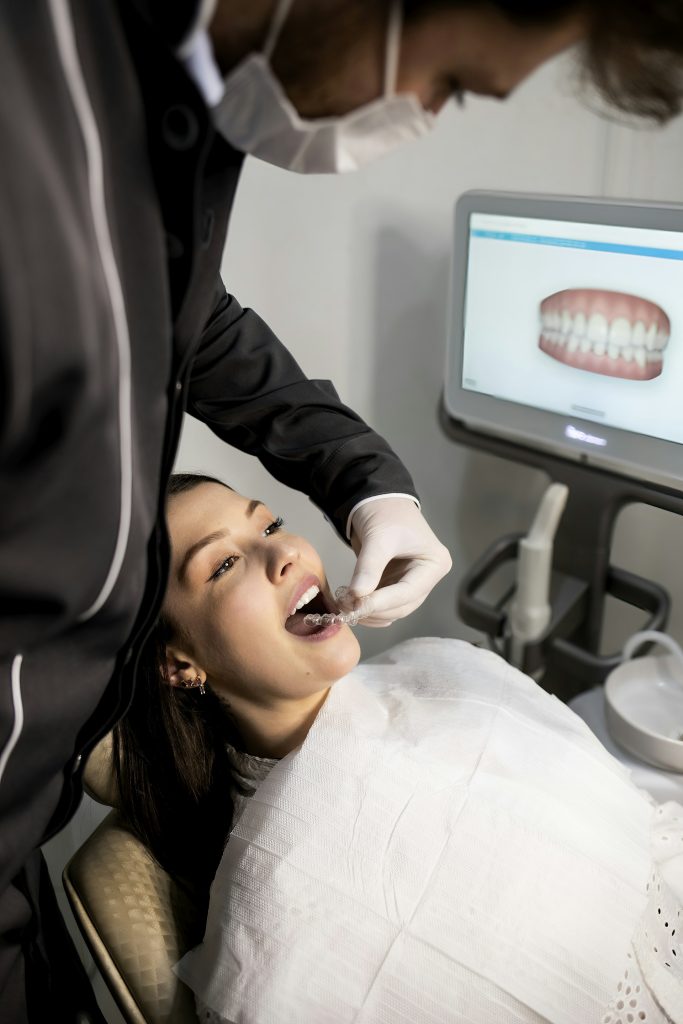
If you need a root canal, the short answer is this: typical published prices in Mexico run about $200 to $450 per tooth, compared with roughly $750 to $2,500 in the US without insurance. The procedure itself is the same everywhere, using the same rotary files, the same rubber dam isolation and the same gutta-percha filling material. What changes the result is not the country but the dentist, the tooth, and whether you get a proper crown afterward.
This guide walks you through what a root canal in Mexico actually costs, what happens in the chair, how many days you need, and the questions that separate a careful clinic from a rushed one.
Root canal cost in Mexico vs the US
Root canal pricing depends mostly on the tooth. Front teeth usually have one canal. Molars have three or four, sometimes curved or narrow, which takes more time and skill. Here is how typical published prices compare.
| Treatment | Typical published price in Mexico | Typical US price (no insurance) |
|---|---|---|
| Root canal, front tooth | $200 to $300 | $775 to $1,900 |
| Root canal, premolar | $250 to $350 | $750 to $1,800 |
| Root canal, molar | $300 to $450 | $1,000 to $2,500 |
| Retreatment of an old root canal | $350 to $550 | Often $1,100 to $2,500+ |
| Crown after a root canal (zirconia or E.max) | $400 to $700 | $800 to $2,500 |
| Post and core build-up | Often $100 to $250 | $250 to $500 |
US ranges are drawn from published consumer cost guides; Mexico ranges reflect typical prices clinics publish. Your exact quote depends on your X-rays. For the full procedure list, see our Cancun dental price list.
A single front-tooth root canal rarely justifies a flight on its own. A molar root canal plus a crown, or a root canal as part of a bigger treatment plan, usually does. That is where the savings start to cover airfare and a hotel with room to spare.
What actually happens during a root canal
The fear most people have is pain. Modern root canals are done under local anesthetic and usually feel similar to getting a large filling. The pain people remember is typically the infection before treatment, not the treatment itself. Here is the sequence:
- Diagnosis. A periapical X-ray, and ideally a 3D cone beam CT scan for molars or complicated cases, shows how many canals the tooth has and how far infection has spread.
- Isolation. A rubber dam goes over the tooth. This thin sheet keeps saliva and bacteria out of the canals while they are open. It is a basic standard of care, and you should see one.
- Cleaning and shaping. The dentist opens the tooth, removes the infected pulp, and shapes each canal with rotary nickel-titanium files while rinsing with disinfecting solution.
- Filling. The canals are sealed with gutta-percha, a rubber-like material, and a sealer. A temporary or permanent filling closes the top.
- Restoration. Back teeth almost always need a crown afterward, because a tooth with no living pulp becomes brittle and can crack under chewing force.
How many days you need in Mexico
Many root canals can be finished in one visit of 60 to 120 minutes. Some infected teeth are better done in two visits, with medication placed in the canals between appointments. A Cochrane review of the research found no meaningful difference in healing between single-visit and multiple-visit treatment, so either approach can be appropriate depending on the tooth.
| Scenario | Typical days in the area |
|---|---|
| Root canal only, front tooth | 1 to 2 days |
| Molar root canal plus same-day (CEREC) crown | 2 to 3 days |
| Molar root canal plus lab-made zirconia crown | 4 to 6 days |
| Retreatment or a two-visit infected tooth | 5 to 7 days |
Plan a buffer day at the end so you can have a final check before flying. Most people fly comfortably a day or two after a routine root canal.
Is a root canal in Mexico safe?
The honest answer is that the risk sits with the individual clinic, not the country. A root canal can fail anywhere if a canal is missed, bacteria get in, or the tooth is left without a crown and cracks. The way you reduce that risk is by checking how the clinic works:
- Who does it. Ask whether a general dentist or an endodontist (a root canal specialist) will treat your tooth. For molars and retreatments, an endodontist is worth requesting.
- What imaging they use. A 3D CBCT scan helps find extra or curved canals that a flat X-ray can miss.
- Rubber dam use. If they do not use one, keep looking.
- Before and after X-rays. Ask for copies. Your dentist at home will want them, and they show the canals were filled to the right length.
- Written guarantee. Know in writing what happens if the tooth flares up after you get home.
These are the same points we check before referring anyone. You can read the full list in how we vet clinics.
Do you need a crown after a root canal?
For a molar or premolar, almost always yes. A root-canaled back tooth has lost its internal blood supply and much of its structure, so it is more likely to fracture under chewing force. Front teeth with small access holes can sometimes get by with a filling. The good news is that pairing the root canal and crown in one trip is where Mexico pricing shines. See our dental crown cost guide for a full breakdown of zirconia, E.max and PFM crowns.
What if it hurts after you fly home?
Some tenderness when biting is normal for a few days and usually settles with over-the-counter pain relief. Swelling, fever or sharp pain that gets worse after several days is not normal and should be checked. Before you book, ask the clinic how they handle follow-up care for patients who live abroad, whether they offer video consults, and whether they cover retreatment if the tooth fails. Bringing home your X-rays means any local dentist can pick up where they left off.
Frequently asked questions
How much is a root canal in Mexico?
Typical published prices run about $200 to $300 for a front tooth and $300 to $450 for a molar. A crown, if needed, typically adds $400 to $700.
Can I get a root canal and crown in one trip?
Yes. With a same-day milled crown you may be done in 2 to 3 days. A lab-made zirconia crown usually needs 4 to 6 days in the area.
Does US dental insurance cover a root canal done in Mexico?
Some PPO plans reimburse out-of-network work abroad if you submit an itemized invoice with procedure codes. Check with your insurer before you travel.
Is one visit or two visits better?
Research shows similar healing either way. Your dentist chooses based on how infected the tooth is.
How soon can I fly after a root canal?
Most people fly comfortably within a day or two of a routine root canal. Ask your dentist to confirm before booking your return.
Get a free, vetted root canal quote
Send us your X-rays or a quick description of the tooth and we will match you with a clinic that meets our published standards, with a written quote before you book anything.
Message us on WhatsApp or request your free quote.
Some clinics may compensate us for referrals; this never changes your price or our published vetting standards. Prices shown are typical published ranges, not quotes, and outcomes depend on your individual case.