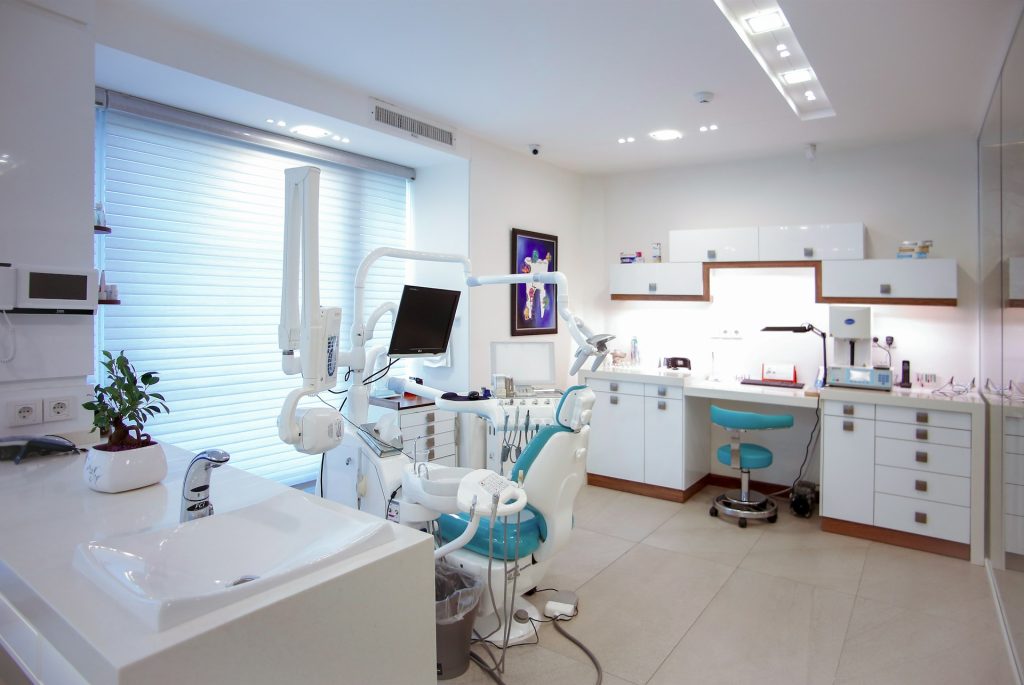
The honest answer is yes, dental work in Mexico can be as safe as dental work at home, and it can also go badly. Safety here is not a country-level question. It is a clinic-level question. The same city that has a surgeon placing Straumann implants under a 3D scan also has a storefront quoting a price that only covers the titanium post and hoping you do not ask what happens next.
So the useful version of the question is not “is Mexico safe.” It is “how do I tell a safe clinic from an unsafe one before I get on a plane.” That is answerable, and this guide walks you through exactly how to do it.
What actually goes wrong, and how often
Implants are one of the most studied procedures in dentistry. Published survival rates for single-tooth implants sit at roughly 95% at the ten-year mark worldwide, and well-run clinics in Mexico report figures in that same range. Failure in the 2% to 5% band is normal everywhere, including in the United States.
When something does go wrong, it is usually one of four things:
- Infection around the implant (peri-implantitis), usually tied to aftercare, smoking, or uncontrolled diabetes rather than the country the surgery happened in.
- Failure to integrate with the bone, which is why bone volume has to be measured before surgery, not guessed at.
- Nerve injury, rare, and largely preventable when the surgeon maps the jaw with a CBCT scan instead of a flat panoramic x-ray.
- Loss of follow-up, which is the risk that is genuinely different when you fly home. If nobody owns the problem after you land, a small complication becomes an expensive one.
Notice that only the last one is specific to dental tourism. The first three are the same risks you carry in any dental chair anywhere. What changes across borders is accountability, and that is something you can check for in advance.
The four things that make a clinic safe
1. A license you verified yourself
Every dentist practicing legally in Mexico holds a cedula profesional, a federal professional license issued by the Ministry of Education. It is public. You can look up a dentist by name in Mexico’s Registro Nacional de Profesionistas and see their full name, the school they graduated from, the degree, and the date it was issued. Practicing without one is a criminal offense in Mexico, not a technicality.
Ask for the dentist’s full legal name and cedula number in writing. A clinic that hesitates on that request has told you something. For implants, oral surgery, or full-arch work, also ask whether the treating dentist holds a specialty certification, for example from the Consejo de Certificacion of the Asociacion Dental Mexicana.
2. A 3D scan before anyone touches your jaw
A panoramic x-ray is flat. It shows you that bone exists. It does not show you how much bone, in which direction, or how close the nerve canal runs. A cone beam CT scan does. If a clinic is planning implants from a panoramic image alone, that is not a price difference, it is a planning difference, and it is the single most common corner cut in cheap implant packages.
3. The implant brand, in writing, before you pay
“Titanium implant” is not a specification. Ask for the manufacturer, the system, and the connection type on your written treatment plan. Established systems such as Straumann, Nobel Biocare, or BioHorizons carry manufacturer guarantees on the fixture itself that are honored internationally, and just as importantly, any competent dentist in your home city can order matching components if you ever need a crown replaced years later.
An unbranded or discontinued implant is the version of this that hurts later. Not because it fails on day one, but because in eight years no US dentist can find a part that fits it.
4. Sterilization and facility registration you can see
Mexican dental clinics file an Aviso de Funcionamiento with COFEPRIS, the federal health regulator, and must designate a licensed dentist as the responsible party. The baseline requirements cover washable surfaces, potable water, ventilation, and proper biological waste disposal. Beyond the paperwork, ask to see the autoclave and ask how instrument cycles are logged. Any good clinic will happily video-call you through the operatory. Reluctance is your answer.
What you save, and what you are actually trading
These are typical published prices for 2026 and are meant for orientation, not as a quote. Your own number depends on bone volume, how many teeth are involved, and whether grafting is needed.
| Procedure | Typical US published price | Typical Mexico published price | What to confirm is included |
|---|---|---|---|
| Single implant, finished tooth | $3,500 to $6,000 | $1,300 to $2,000 | Fixture, abutment and crown, not just the post |
| Porcelain crown | $1,200 to $2,000 | $350 to $600 | Material (zirconia vs PFM) and lab used |
| All-on-4, per arch | $25,000 to $40,000 | $9,000 to $15,000 | Whether the final prosthesis is included or only the temporary |
| Root canal | $900 to $1,500 | $200 to $450 | Whether the crown afterward is quoted separately |
| Bone graft or sinus lift | $600 to $3,000 | $300 to $1,200 | Graft material and whether healing time delays the implant |
The trade is not quality for price. Mexican clinics buy the same implant systems and use the same imaging equipment, and their overhead, staffing costs, and lack of US insurance billing infrastructure explain most of the gap. The real trade is proximity. You are giving up the ability to drive over on a Tuesday when something feels off. That is why warranty terms and a named point of contact matter more than they would at home. We cover the full local breakdown on our Cancun dental prices page.
How to verify a clinic in about fifteen minutes
- Ask for the treating dentist’s full name and cedula number, then look it up in the national professional registry yourself.
- Ask which implant system they use and request it in writing on the treatment plan.
- Ask whether a CBCT scan is taken before surgery and whether you get a copy of your imaging files.
- Ask what the warranty covers in plain terms: the fixture, the crown, the lab work, and who pays if a remake is needed.
- Ask who your point of contact is after you fly home, and how fast they respond on WhatsApp.
- Ask for your full records, including the implant lot stickers, before you leave the country.
Six questions. A clinic that answers all six clearly and in writing is very unlikely to be the kind of place that hurts you. A clinic that gets vague on any of them has just saved you a flight.
Red flags worth walking away from
- A price quoted before anyone has seen an x-ray or a scan of your mouth.
- A refusal to name the implant manufacturer.
- Pressure to book this week because of a discount that expires.
- A treatment plan with no line items, just a single total.
- Extractions and same-day implants promised for every case without imaging.
- No written warranty, or a warranty that quietly excludes the lab work.
None of these mean a clinic is dangerous. They mean it is opaque, and opacity is the thing that makes a bad outcome expensive instead of fixable. Our full checklist of what we require before we refer anyone is published on how we vet clinics.
Staying healthy on the trip itself
Practical, boring, and worth saying: drink bottled or filtered water, which is standard across Cancun and the Riviera Maya anyway. Skip alcohol for at least 48 hours after surgery, and skip diving and hard sun exposure while you are healing. Build a buffer day before your flight home rather than flying out the same afternoon as a surgical appointment. Bring your medication list and any medical conditions in writing, because your surgeon needs to know about blood thinners, bisphosphonates, and uncontrolled diabetes before, not after.
If you are weighing implants specifically, our guide to dental implants in Cancun walks through the two-trip timeline in detail.
Frequently asked questions
Is it safe to get dental implants in Mexico?
Yes, at a clinic that uses a verified licensed dentist, 3D imaging before surgery, and a named international implant brand. Published survival rates at well-run Mexican clinics track the global figure of roughly 95% at ten years. The risk is not the country, it is the clinic, and clinic quality is something you can verify before booking.
Are Mexican dentists actually licensed?
Licensed dentists in Mexico hold a federal cedula profesional issued after an accredited dental degree. It is publicly searchable by name, so you can confirm it yourself in a few minutes. Many implant surgeons also carry specialty certification and continuing education from US or European programs.
What happens if the work fails after I fly home?
That depends entirely on what your warranty says in writing before you travel. Manufacturer guarantees on major implant brands cover the titanium fixture itself internationally, but they do not cover the crown, the lab work, the surgical fee, or your flights. Get the clinic’s own remake policy in writing, and confirm who to contact and how quickly they respond.
Is Cancun safe to travel to for dental work?
Cancun and the Riviera Maya are among the most heavily visited tourist regions in the Americas, with millions of US arrivals a year and direct flights from most major US airports. Ordinary travel sense applies: stay in the main hotel and downtown areas, use registered taxis or your clinic’s transport, and keep the usual awareness you would in any large city.
Should I tell my US dentist I had work done in Mexico?
Yes, and bring the paperwork. Your home dentist needs the implant brand, model, and lot numbers, plus your imaging files, to maintain the work or order replacement components later. Ask for all of it in digital form before you leave the clinic.
Get a second opinion before you book
If you are comparing quotes right now and cannot tell which ones are complete, send them over. We will tell you what is missing from each, what the implant brand actually is, and whether the warranty is worth anything. There is no charge for that.
Some clinics may compensate us for referrals; this never changes your price or our published vetting standards.
Want a free vetted quote? Message us on WhatsApp or use our contact page, and we will match you with a clinic that meets every standard on this page.