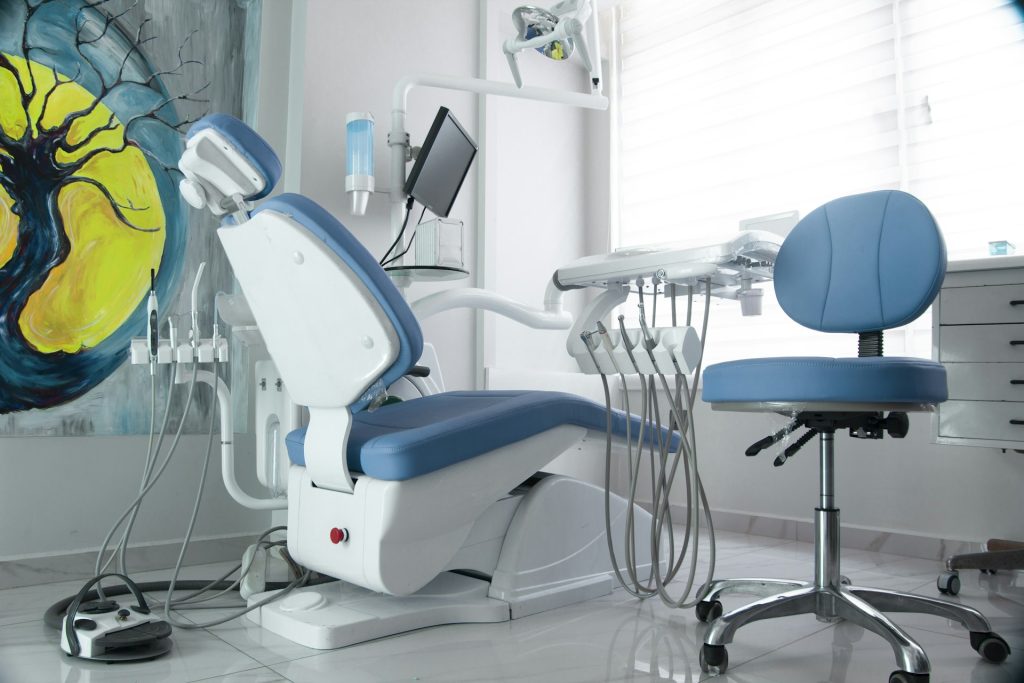
Here is the honest version: Cancun is a good place to get dental work done, and it is also a place where it is easy to get burned. The city has a large, established dental industry built around US and Canadian patients, the savings are real, and the good clinics are genuinely good. But Cancun also has clinics that exist because tourists land there, not because they built a reputation locally. The difference between those two things is not visible from a website.
This guide covers what treatment actually costs in Cancun in 2026, how the trip is structured, where clinics are located, and what to verify before you put down a deposit.
What dental work in Cancun costs in 2026
These are typical published prices from Cancun clinics that market to US patients. Your quote will move based on bone grafting, implant brand, and how many teeth are involved, so treat these as a range to sanity-check a quote against, not a promise.
| Procedure | Typical published price in Cancun | Typical US price | What to confirm is included |
|---|---|---|---|
| Single implant (post and abutment) | $900 to $1,800 | $3,500 to $5,000 | Whether the crown on top is a separate charge |
| Porcelain crown | $450 to $700 | $1,000 to $1,800 | Material: zirconia, e.max, or PFM |
| Porcelain veneer (per tooth) | $350 to $600 | $1,200 to $2,500 | Whether a wax-up or mock-up is included |
| All-on-4, per arch | $7,500 to $13,000 | $20,000 to $30,000+ | Temporary bridge, final bridge, and how many implants |
| Full-mouth crowns | From roughly $11,000 | Up to $60,000 | Number of units in the quote |
| Root canal | $250 to $450 | $1,000 to $1,800 | Whether the buildup and crown are separate |
The single biggest source of quote confusion is the implant crown. A quote of “$1,000 per implant” and a quote of “$1,600 per implant” are often the same treatment, priced differently: one includes the crown and one does not. Ask for the all-in per-tooth number before you compare anything. Our Cancun dental prices page breaks this down further.
Why it is cheaper, in one paragraph
Nothing about the price gap is mysterious. A Cancun dentist pays a fraction of the US cost for clinic space, staff, and malpractice coverage, and does not carry US dental school debt. The implants and ceramics themselves usually come from the same manufacturers your dentist at home uses, because there are only a handful of major implant companies in the world and they sell globally. What is cheaper is the overhead around the procedure, not the hardware in your jaw. We cover the full breakdown in why dental work is cheaper in Mexico.
How the trip is actually structured
Most people picture one flight and a finished mouth. For anything involving implants, that is usually wrong, and a clinic that tells you otherwise is worth a second look.
An implant has to fuse to your jawbone before it can carry a crown. That process, osseointegration, takes roughly three to six months, and it happens on biology’s schedule, not yours. So implant cases are normally two trips:
| Stage | Days in Cancun | What happens |
|---|---|---|
| Trip 1 | 3 to 7 days | 3D scan, treatment plan, extractions if needed, implant placement, temporary restoration |
| Healing gap | 3 to 6 months, at home | Osseointegration. You wear the temporary and live normally |
| Trip 2 | 3 to 7 days | Abutments, impressions or digital scan, final crowns or bridge fitted, follow-up check |
Veneers and crowns are different. Those are typically one trip of about five to seven days, because the lab work happens while you are there. Same-day CEREC crowns compress that further at some clinics.
You will also see “immediate load” or “teeth in a day” All-on-4 marketed heavily in Cancun. That is a real protocol and it works for the right candidate, but it means you leave with a temporary bridge on day one and come back months later for the final one. It is still two trips. See our All-on-4 in Cancun page for what a complete quote should contain, and dental implants in Cancun for single-tooth cases.
Where the clinics are
Cancun splits into two areas that matter to you, and the split affects convenience more than quality.
The Hotel Zone is the barrier island strip of resorts. A handful of clinics operate there or nearby, and they are the most convenient if you are staying at a resort and want to walk or take a short cab to appointments.
Downtown Cancun, or Centro, is where most of the city’s dental practices actually are, including many of the larger clinics with in-house labs and CBCT scanners. Cabs from the Hotel Zone run 20 to 30 minutes depending on traffic. Many clinics that serve international patients include hotel and airport transfers, which removes this as a problem entirely. Ask before you assume.
Cancun International Airport has direct flights from more than 50 US and Canadian cities, which is the practical reason Cancun beats most other Mexican dental destinations for people on the east coast and in the midwest. If you are weighing it against the other obvious option an hour south, we compared them in Playa del Carmen vs Cancun for dental work.
What to verify before you send a deposit
Price is the easiest thing to compare and the least useful. These are the things that separate a clinic you will be glad you chose from one you will be explaining to your dentist at home.
- The dentist’s specialty, by name. Implants should be placed by a periodontist, oral surgeon, or prosthodontist with implant training, not a general dentist who also does implants. Ask who is doing the surgery, not who runs the clinic.
- The implant brand. Straumann, Nobel Biocare, Zimmer, and Neodent are serviceable worldwide. An unbranded or regional-only implant is a problem if you ever need a repair in the US, because your dentist at home may not be able to source the parts.
- A CBCT scan before placement. Implant planning off a 2D panoramic x-ray alone is behind standard of care.
- Written warranty terms. Not “we guarantee our work.” Ask what is covered, for how long, what voids it, and who pays for the return flight if something fails.
- Your records. Get the CBCT file, the treatment notes, and the implant brand and lot numbers before you fly home. Your US dentist will need them.
These are the same standards we hold clinics to before we refer anyone. You can read them in full on how we vet clinics.
What actually goes wrong
The failure most people fear is a botched surgery. That is rare at a competent clinic. The failures that are common are duller and more expensive: a quote that grows once you are in the chair, a treatment plan that is more aggressive than what you needed, an implant brand nobody at home can service, and no realistic path to a fix if a crown fails in month eight.
All four are avoidable before you book, and none of them are avoidable after. That is the entire argument for doing the homework in advance rather than picking whoever answers fastest on WhatsApp.
Frequently asked questions
Is Cancun safe for dental tourism?
The tourist areas of Cancun are heavily policed and see millions of visitors a year. The clinical question is separate from the personal safety one: a well-equipped Cancun clinic with a credentialed specialist is a normal dental environment. Drink bottled water, and confirm the clinic uses it in the operatory too.
How many days should I plan for?
Five to seven days covers most veneer and crown cases in one trip. Implant cases are two trips of three to seven days each, separated by three to six months of healing at home.
Will my US dental insurance cover work done in Cancun?
Some PPO plans reimburse out-of-network international care, but most do not, and you will pay up front and file for reimbursement afterward. HSA and FSA funds generally can be used for qualifying dental treatment abroad. Check with your plan before you travel, not after.
What happens if something fails after I fly home?
This is the question to ask the clinic before you book, in writing. Good clinics warranty their work and will cover the redo; the return flight is usually on you. A clinic that will not put warranty terms in writing has told you something useful.
Can I get everything done in one trip?
Veneers, crowns, and root canals, usually yes. Implants, no, unless you accept a temporary restoration and return later for the final one. Anyone promising finished implants in a week is describing a temporary.
Get a vetted quote before you book anything
We are an independent guide, not a clinic. If you tell us what you need and roughly when you can travel, we will match you with a Cancun clinic that meets the standards above and get you a written quote with the inclusions spelled out. It is free and there is no obligation.
Message us on WhatsApp or request a free quote here.
Some clinics may compensate us for referrals; this never changes your price or our published vetting standards.